DESIGNING FOR ONE. BUILDING FOR MANY.
INDUSTRIAL DESIGN
explained
Industrial design is the discipline that shapes how a physical product looks, feels, works, and gets made. It turns what a person needs into something a business can manufacture and sell.
THE SHORT ANSWER
What is industrial design?
Industrial design (ID) defines what a physical product should be: how it looks, how it feels, how it works for the person using it, what it is made of, and how it gets manufactured at scale.
Industrial designers sit between the people who will use a product, the engineers who make it work, and the business behind it.
HOW THE PROFESSION DEFINES IT
“Industrial Design is a strategic problem-solving process that drives innovation, builds business success, and leads to a better quality of life through innovative products, systems, services, and experiences.”
Industrial Designers Society of America
“the professional practice of designing products, devices, objects, and services" used by millions of people every day.”
WHERE I DIFFER
My definition is intentionally more specific. Industrial design is about creating physical products that can be manufactured. It starts with understanding an individual person and developing a solution to their needs. That means considering not only how a product works, but how it makes someone feel. Then figuring out how to reproduce that experience at scale while meeting the goals of the business behind it.
THE CORE IDEA
Person. Reality. Business.
Every industrial design decision has to pass three tests at once. Fail any one and the product fails.
It starts with one person.

PERSON
Their needs. habits. hands. and the moment they pick the product up. Design for everyone and you design for no one.

Materials, physics, cost, and factories. An idea that can’t be manufactured is art, not a product.
Then it has to become real.
REALITY
It has to serve the goals of the business behind it. Revenue, growth, differentiation, efficiency, or brand value.
And it has to work as a business.

BUSINESS
THE PROCESS
How a product gets made.
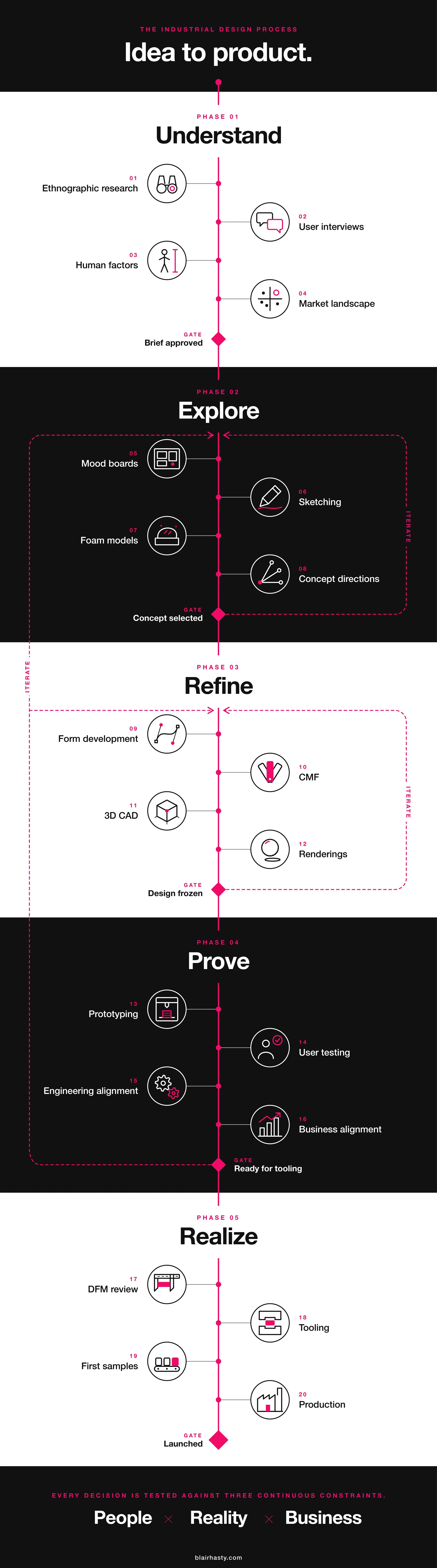
Five phases, each ending in a decision. Every phase informs what comes next. Sometimes the right next step is going back.
PHASE 01
Ethnographic research
Human factors
Market landscape
Understand
Brief approved

PHASE 02
Sketching
Foam models
Concept directions
Explore
Concept selected
PHASE 03
Form development
Color, material, finish
3D CAD
Refine

Design frozen
PHASE 04
Prototyping
User testing
Engineering alignment
Prove
Ready for tooling
PHASE 05
Realize
Design for Manufacturing (DFM) review
Tooling
Production
Launched
THE DISCIPLINE
What industrial designers actually do.
01
Research
Watch people use products in real life to find what they need but can’t tell you.
02
Strategy
Decide what the product should be, who it’s for, and why it will win.
03
Ideation
Sketch and model many directions before committing to one.
04
Form
Shape the product so its purpose is obvious and it feels right.
05
Human factors
Fit the product to real bodies, hands, and habits.
06
Color, material, finish (CMF)
Choose the color, material, and finish that makes it feel worth the price.
07
Build models that look and work like the real thing to test ideas physically.
Prototyping
08
Engineering
Work alongside engineers so that the design intent survives the details.
09
Manufacturing
Design parts that can be manufactured, assembled, and completed consistently.
10
Launch
Support tooling, samples, and production until it ships right
OFTEN CONFUSED
What it is, and what it isn’t.
CORE QUESTION
FOCUS
OUTPUT
Industrial design
The big-picture definition of the physical product around the person using it
What should this product be?
Form, ergonomics, interaction, CMF, product architecture, and design intent
Engineering
Mechanisms, components, tolerances, specifications, and manufacturing details
The technical details of how the product functions and gets made
How exactly do we make it work and manufacture it?
UX / digital design
The digital experience and how people interact with it
How should someone interact with the digital product?
Digital architecture, flows, interactions, wireframes, and UI
IN PRACTICE
What it looks like on real products.
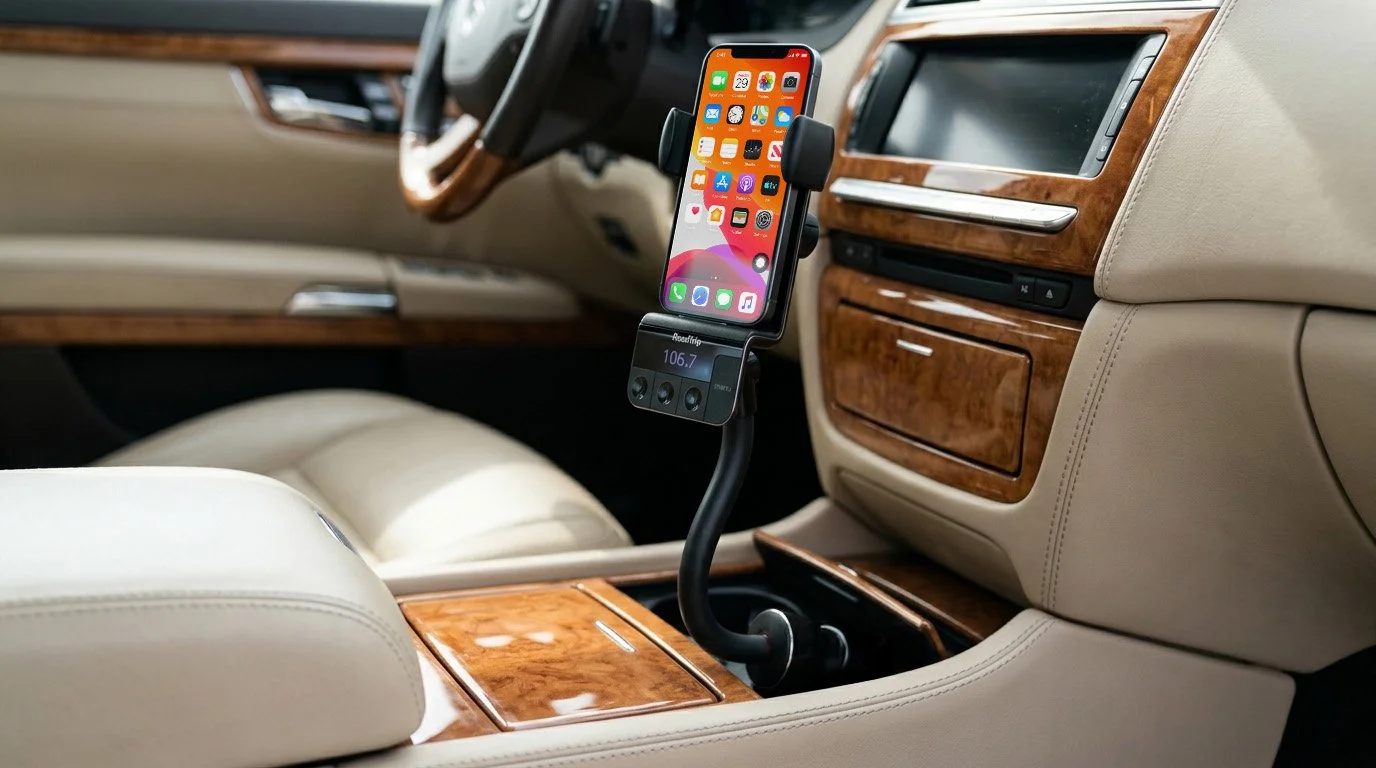
Apple accessories
Griffin Technology:
Category-leading accessories and four US utility patents.
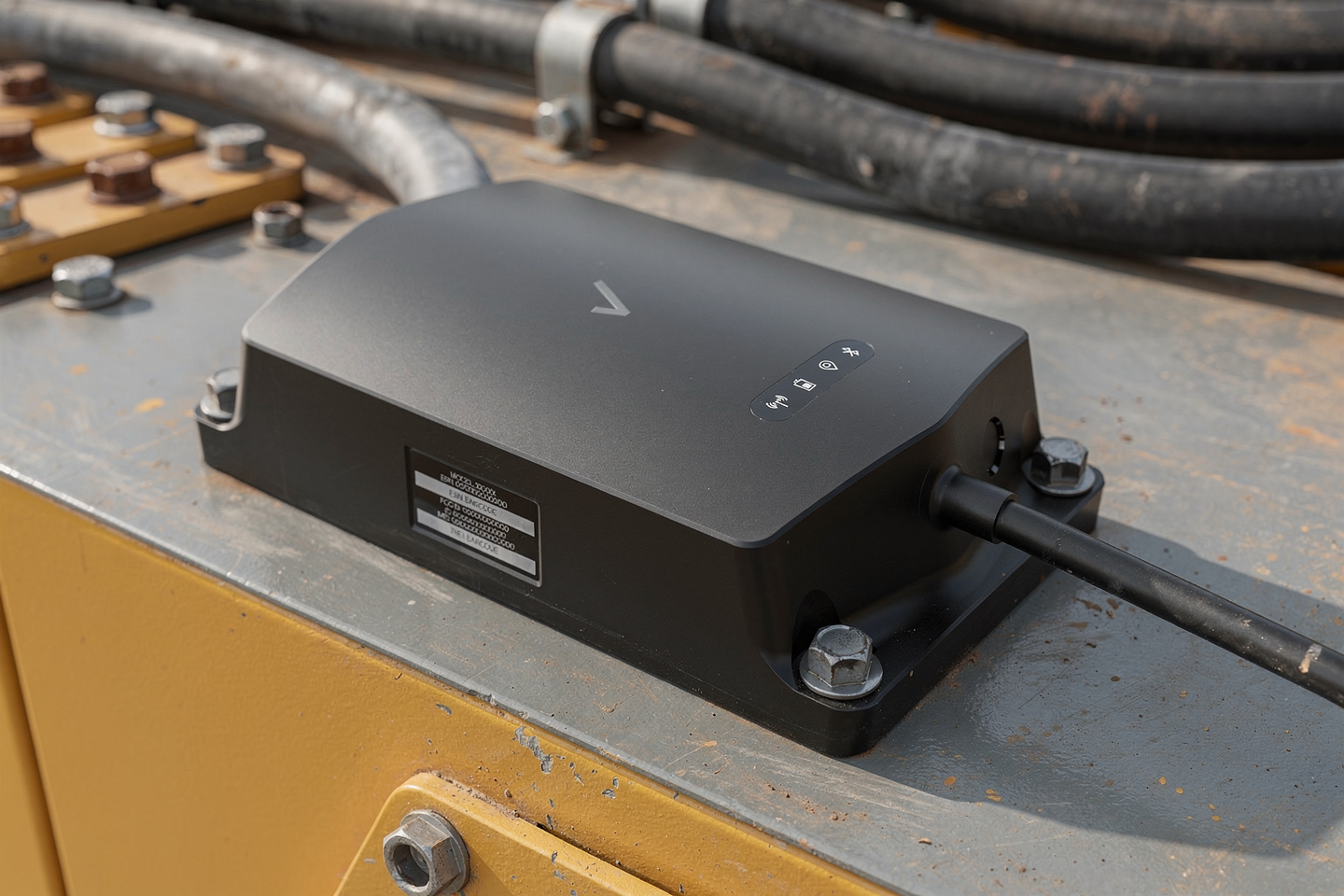
Connected hardware
Verizon:
Consumer and commercial devices across a $2B hardware portfolio.
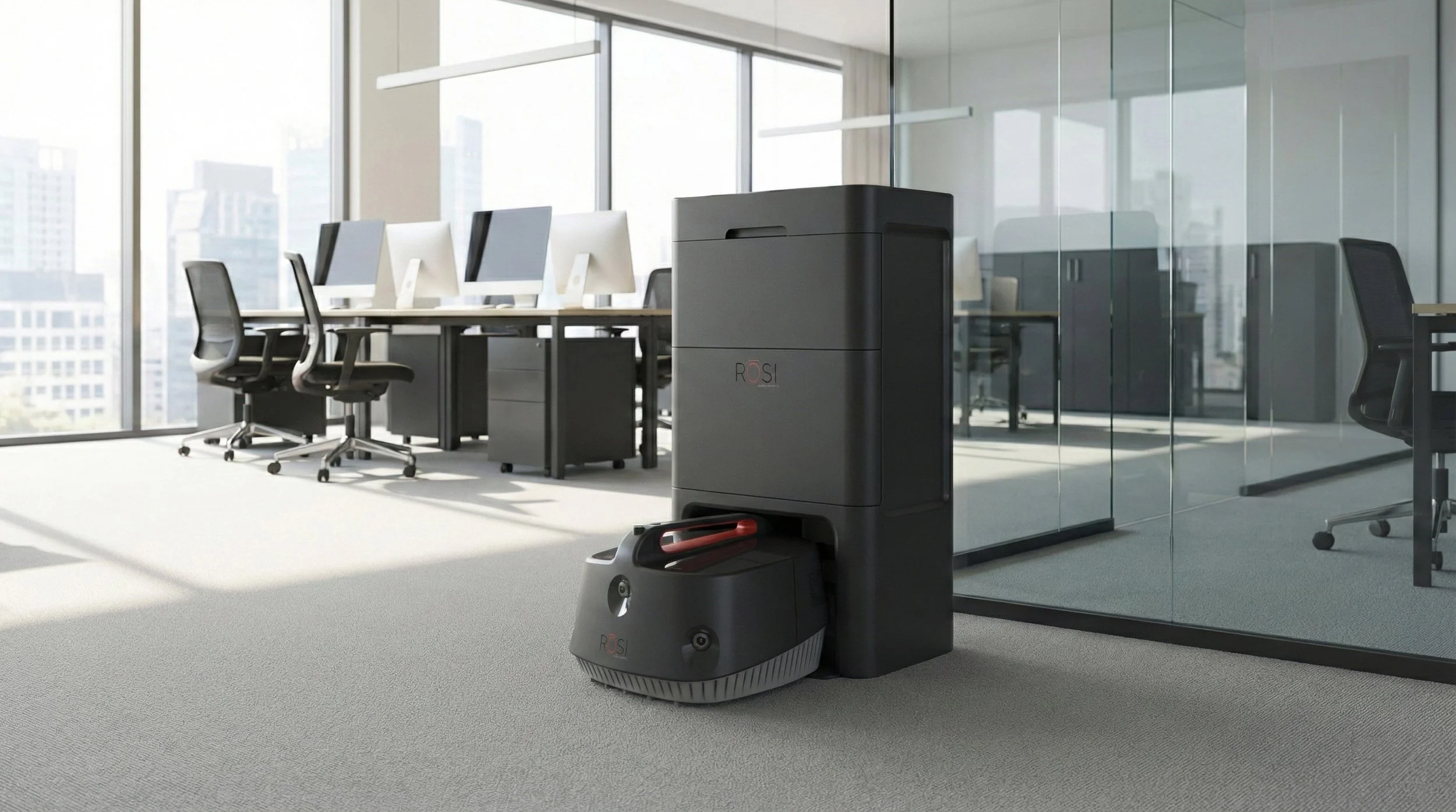
Robotics
Robot vacuum:
A commercial robotic vacuum system for medium sized offices.
A BRIEF HISTORY
Born with mass production
1930s
Streamlining
Raymond Loewy and his peers make everyday machines desirable.
1955
Designing for people
Henry Dreyfuss puts the human body at the center of work.
1960s
Less, but better
Dieter Rams at Braun defines honest, restrained design.

1998
Design sells
The iMac proves design can drive a technology business.
Today
Beyond objects
Physical products, connected devices, and the systems around them.
BECOMING ONE
Industrial design as a career.
Education
Most designers earn a four-year industrial design degree. Portfolios matter more than transcripts.
Portfolio
Show process, not just renders: the sketches, models, and decisions behind the result.
Where designers work
Consultancies, in-house teams at product companies, startups, and independently.
QUICK ANSWERS
Is industrial design engineering?
No. Designers define what the products should be. Engineers make it work. The best products come from partnerships between both, working together early and throughout a project.
Is industrial design the same as product design?
Often. In tech, product design usually means digital (UX/UI) design. Industrial design is always a physical product.
When should a company bring in an industrial designer?
At the beginning. Before engineering work starts. Design decisions made early are cheap. Made late they’re expensive.
Is it just about how things look?
No. Appearance is one output. The job is the whole product experience and taking into account the person using it.

WHO’S WRITING THIS
Written from practice.
I'm Blair Hasty. I've spent 20+ years designing products across consumer electronics, B2B connected hardware, medical devices, and retail design, from Apple accessories at Griffin to a $2B device portfolio at Verizon. I now run Crafted by, a product design and development consultancy, and head up IDI, a global community of 2800+ industrial designers.
Industrial design is creating a product for one person, then repeating it for millions.

LET’S CONNECT
Building a product?
Let's talk about bringing it to market.
In your inbox.
Subscribe to the monthly newsletter. Essays on industrial design and how products actually get made.